
Succession Planning – The Strategic Imperative for Sustainable Leadership
Advertisement


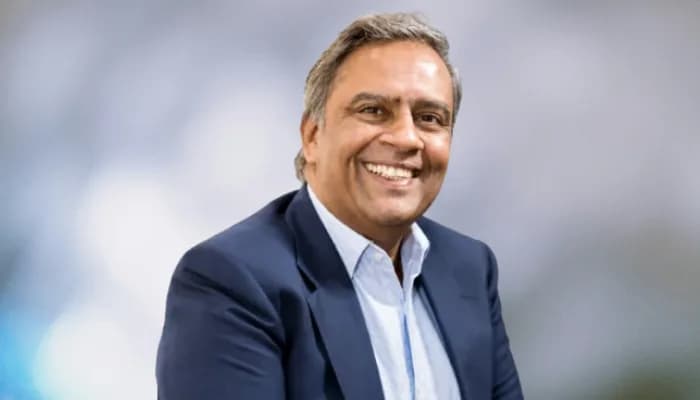

In a context of organisational-wide transformation, leadership continuity has become a key factor in business resilience.
Advertisement
A Harvard Business Review (2021) study notes that organisations with a well-defined approach and a reasonable succession line-up are over twice as likely to outperform peers in profitability and growth.
In India, many boards still approach succession as an episodic event rather than a structured process. As several promoter-led firms transition to professional leadership and listed entities come under closer regulatory scrutiny, there is a need for a transparent, well-thought-out succession framework as a foundation.
With rapid digitalisation, shifting workforce demographics, and evolving regulatory expectations, Indian enterprises are realising that succession planning is not merely an HR exercise, but a strategic governance priority.
From multiple perspectives, leadership continuity is directly tied to business risk. The absence of a well-defined readiness plan can derail strategic initiatives, unsettle investors, and create operational instability.
Advertisement
The SEBI (Listing Obligations and Disclosure Requirements) already mandates listed companies to disclose succession policies for key managerial personnel, underscoring its recognition as a governance imperative.
Succession planning, therefore, is no longer optional. It is a fiduciary responsibility that ensures leadership stability and protects stakeholder value.
Globally, as Gartner (2023) highlights, forward-looking organisations are evolving succession planning into a “leadership ecosystem”. Apparently, the model emphasises readiness, agility, and alignment with future business needs.
This approach shifts the focus from replacing leaders to cultivating capabilities that can drive transformation across cycles of change. For Indian CHROs and boards, the advisory is clear:
- Embed succession within strategy: Align leadership planning with business direction, digital ambitions, and growth horizons.
- Make it a board-driven process: Review leadership pipelines and readiness annually, with measurable ownership at the top.
- Integrate talent and governance: Link succession planning to leadership development, capability building, and DEI initiatives.
- Foster transparency and trust: Communicate the organisation’s commitment to nurturing internal talent, strengthening retention and engagement.
Advertisement
As Indian enterprises mature and increasingly become global enterprises, succession planning represents more than continuity; it symbolises foresight, governance maturity, and organisational resilience.
Companies that deeply embed it into their DNA will not only future-proof their leadership but also build enduring value for all stakeholders.
References:
- Harvard Business Review (2021). Building the Next Generation of Leaders.
- Gartner (2023). Succession Planning Trends and Priorities for 2023.
- Securities and Exchange Board of India (SEBI) (LODR) Regulations, 2015.
Note: We are also on WhatsApp, LinkedIn, and YouTube to get the latest news updates. Subscribe to our Channels. WhatsApp– Click Here, YouTube – Click Here, and LinkedIn– Click Here.
About the Author
Murali Santhanam
Murali Santhanam, CHRO – AscentHR Technologies. Murali is a seasoned HR professional with over 26 years of experience in HR consulting and has been in leadership roles in various organisations across technology, manufacturing, and consulting sectors. He has significant experience in the areas of Talent Management, Competency and Performance Management frameworks, succession planning, talent reviews, leadership building, and behavioural coaching.
View all articles by Murali Santhanam →