


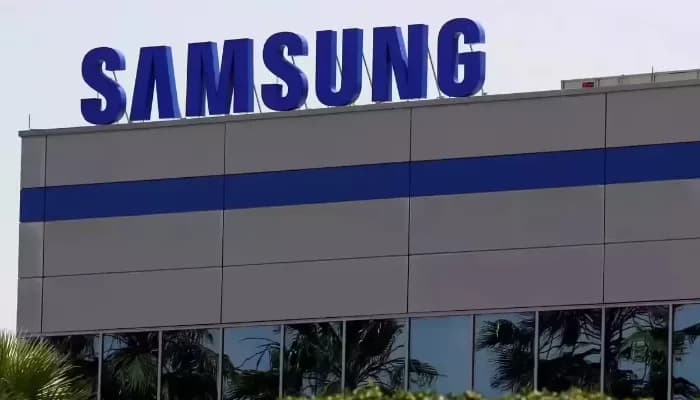

In a move that has sent ripples of relief through the global tech sector, Samsung Electronics reached a tentative wage agreement with its labor union late Wednesday, May 20, 2026.
Advertisement
Negotiators struck the deal just 90 minutes before a catastrophic 18-day strike was set to begin.
If the walkout had proceeded, nearly 48,000 workers would have abandoned production lines.
This threatened to paralyze the world’s supply of AI-critical memory chips and shave an estimated 0.5% off South Korea’s annual GDP.
The Deal: 6.2% Hikes and Profit Sharing
Advertisement
The breakthrough came after a marathon session mediated by South Korea’s Labour Minister, Kim Young-hoon.
Under the new terms, Samsung employees will receive an average wage increase of 6.2%.
More significantly, the agreement overhauls the company’s controversial bonus structure.
Semiconductor workers are now slated to receive 10.5% of the company’s operating profits—a compromise between management’s initial offer and the union’s demand for 15%.
To mitigate immediate financial strain, Samsung will reportedly offer a portion of these performance bonuses in company stock.
Advertisement
A member vote scheduled between May 22 and May 27 determines the deal’s outcome, though union leadership expressed confidence in its approval.
Samsung Electronics Averted Disaster for the AI Boom
The stakes could not have been higher.
Samsung and its rival SK Hynix currently control the vast majority of the high-bandwidth memory market. This HBM technology is essential for AI data centers.
“The most advanced memory in the world is produced in one small Korean cluster,” noted industry analysts, warning that even a week-long disruption could have triggered a global spike in hardware prices.
Market Reaction: KOSPI and Shares Surge
The news triggered an immediate “relief rally” on the Seoul stock exchange.
Samsung Electronics’ shares surged over 6.5% on Thursday morning, dragging the benchmark KOSPI index up by nearly 5%.
Investors had braced for a production “bloodbath” and welcomed the newfound stability.
However, some analysts warned that increased labor costs might weigh on operating margins in the coming quarters.
Note: We are also on WhatsApp, LinkedIn, and YouTube to get the latest news updates. Subscribe to our Channels. WhatsApp– Click Here, YouTube – Click Here, and LinkedIn– Click Here.
About the Author
Sahiba Sharma
Sahiba Sharma, Senior Editor - Content at SightsIn Plus
View all articles by Sahiba Sharma →