

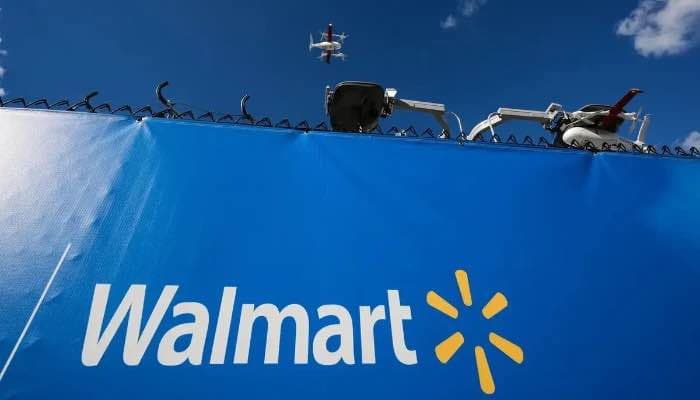

At its annual shareholder meeting, Walmart Inc. investors overwhelmingly rejected a proxy proposal that sought greater transparency regarding how the company’s implementation of artificial intelligence (AI) impacts its massive workforce.
Advertisement
The proposal was backed by labor advocates and socially responsible investor groups.
It pushed for a detailed report outlining the financial, operational, and ethical risks AI technologies pose to employee retention, job displacement, and workplace equity.
The Push for AI Transparency at Walmart
Proponents of the measure argued that as the world’s largest private employer, Walmart has a responsibility to disclose how its rapid digital transformation affects retail workers.
Advertisement
Labor groups raised concerns over the integration of generative AI assistants, automated scheduling algorithms, and predictive inventory tools.
Activist investors emphasized that the lack of oversight surrounding workforce automation creates a hidden risk factor without strict transparency metrics.
They stated this exposes the company to systemic labor disputes, reputational damage, and operational vulnerabilities.
Management’s Defense and the Voting Outcome
Advertisement
Walmart’s board of directors firmly recommended a vote against the resolution, maintaining that the requested report was unnecessary and counterproductive.
Management argued that the retail giant is already deploying AI ethically and responsibly to enhance, rather than replace, human roles.
According to the board, AI tools are designed to optimize inventory and free up store associates from repetitive tasks to focus on customer service.
These tools include generative AI shopping assistants and predictive supply chain platforms integrated into the Walmart app.
Benefiting from the majority voting control held by the Walton family, the corporate board easily defeated the proposal.
Institutional asset managers largely sided with management on the issue.
They expressed confidence that current board oversight and compliance structures are sufficient to manage operational and technological changes without separate, specialized disclosures.
The Broader Corporate Trend
The defeat at Walmart reflects a wider trend across major American corporations.
In this trend, institutional investors continue to shield management from prescriptive tech-governance proposals.
While shareholders frequently back AI initiatives aimed at boosting profitability, efficiency, and supply chain automation, proxy season data shows they remain highly hesitant to mandate public disclosures regarding the human cost of automation.
Note: We are also on WhatsApp, LinkedIn, and YouTube to get the latest news updates. Subscribe to our Channels. WhatsApp– Click Here, YouTube – Click Here, and LinkedIn– Click Here.
About the Author
Sahiba Sharma
Sahiba Sharma, Senior Editor - Content at SightsIn Plus
View all articles by Sahiba Sharma →