
Employee Recognition Is Changing: What Gen Z Really Wants at Work
Advertisement

The way organizations approach employee recognition has changed dramatically over the last decade and a half. What was once largely centered around annual bonuses, service awards, and promotions has evolved into a more dynamic, personalized, and purpose-driven approach to employee recognition.
Advertisement
This transformation has been shaped by technological advancement, changing workforce expectations, and, most importantly, the arrival of Generation Z into the workplace. Today, employee recognition is no longer seen as an occasional HR initiative but as an essential part of building an engaged, motivated, and high-performing workforce.
For HR leaders, the challenge today is not simply how to reward employees, but how to make recognition meaningful.
Historically, reward and employee recognition systems were built on a straightforward premise: employees were motivated primarily by financial incentives and career progression. Organizations relied heavily on annual performance bonuses, fixed salary increments, long-service awards, and formal recognition ceremonies. Recognition was typically manager-led, periodic, and closely linked to performance appraisal cycles.
While these systems served their purpose, they often overlooked an important aspect of human motivation: the need to feel valued, seen, and appreciated in real time. Recognition was often delayed, transactional, and focused on individual achievement rather than collaboration. As workplace expectations evolved, organizations began to realize that compensation alone was not enough to drive engagement and retention.
Advertisement
The shift became more pronounced as Millennials entered the workforce and organizations started placing greater emphasis on employee experience. Continuous feedback replaced annual reviews, peer-to-peer recognition gained popularity, and digital platforms made appreciation more visible and accessible. Recognition became less about hierarchy and more about creating a culture of appreciation.
Today, with Generation Z steadily becoming a significant part of the workforce, organizations are witnessing another evolution.
Gen Z employees have grown up in a world defined by instant communication, social connectivity, and rapid access to information. Their expectations from employers are shaped by these experiences. They seek timely feedback, meaningful work, opportunities for growth, flexibility, inclusivity, and authentic leadership. They want recognition that feels genuine rather than procedural.
This does not mean that financial rewards have lost their value. Rather, they are no longer sufficient on their own.
What Generation Z Expects from Recognition
Advertisement
One of the most effective ways organizations are engaging Gen Z employees is through real-time recognition. Waiting for annual performance reviews to acknowledge contributions can feel disconnected from the pace at which younger employees work and learn.
Immediate recognition creates a direct connection between effort and appreciation, reinforcing positive behaviours and maintaining motivation. Digital recognition platforms, mobile applications, and integrated collaboration tools now allow appreciation to happen instantly and publicly.
Another emerging trend is the gamification of recognition. Achievement badges, leaderboards, point-based systems, and team challenges resonate strongly with a generation familiar with digital experiences. When implemented thoughtfully, gamification transforms recognition from a passive process into an engaging experience that encourages participation and collaboration.
Personalization is equally important. A one-size-fits-all reward strategy rarely succeeds with a diverse workforce. While one employee may value a monetary incentive, another may prefer a learning opportunity, wellness benefit, flexible work arrangement, or travel experience. The ability to choose rewards that align with individual interests significantly increases their perceived value and impact.
Career Growth, Visibility, and Purpose as Rewards
Perhaps the most significant shift, however, is the growing recognition of career development as a reward in itself. For many Gen Z employees, opportunities to learn, build new skills, work on challenging projects, or gain exposure to leadership can be more meaningful than traditional rewards. Organizations that invest in mentorship programs, certifications, internal mobility, and career progression pathways are often rewarded with higher levels of engagement and retention.
Social visibility also plays a critical role. Gen Z employees appreciate recognition that is transparent and visible across the organization. Public appreciation fosters a sense of belonging and validates contributions in a way that private acknowledgments sometimes cannot. Recognition integrated into workplace communication platforms creates opportunities for colleagues and leaders to celebrate achievements collectively.
At the same time, recognition must extend beyond performance metrics. Gen Z places significant importance on diversity, equity, inclusion, sustainability, and social impact. Organizations that recognize behaviors aligned with these values often create deeper emotional connections with employees. Celebrating collaboration, community service, innovation, inclusivity, and ethical leadership reinforces the culture that organizations aspire to build.
The rise of hybrid and remote work has added another dimension to the recognition challenge. Without regular face-to-face interactions, appreciation can easily become inconsistent or invisible. Virtual recognition events, digital appreciation boards, and online celebrations have become essential tools for maintaining engagement across distributed teams.
The Future of Recognition: Balancing Technology and Humanity
However, organizations must be careful not to let recognition become overly automated. Technology can facilitate appreciation, but it cannot replace authenticity. Employees quickly recognize when recognition is generic, forced, or purely transactional. The most impactful recognition remains specific, sincere, and connected to meaningful contributions.
Ultimately, creating meaningful recognition for Generation Z is not about replacing traditional rewards with digital badges or trendy programs. It is about understanding what motivates a new generation of employees and designing experiences that make them feel valued, connected, and empowered.
As organizations compete for talent in an increasingly dynamic labor market, meaningful recognition has become far more than an HR initiative. It is a strategic driver of culture, engagement, innovation, and retention. The organizations that succeed will be those that combine technology with humanity, personalization with fairness, and recognition with purpose.
The future of work is not being shaped by technology alone; it is being shaped by people and what they value. Generation Z is challenging organizations to move beyond transactional rewards and embrace recognition that is human, meaningful, and purposeful.
As HR leaders rethink their recognition strategies, the central question is no longer, “How do we reward performance?” but rather, “How do we make people feel valued?” The answer lies in creating moments of appreciation that inspire growth, reinforce purpose, and strengthen connection.
In an era where talent has more choices than ever, recognition is emerging as a defining employee experience. When people feel seen, appreciated, and connected to a larger purpose, they do more than stay, they contribute, innovate, and become advocates for the organization. The future of recognition, therefore, is not about rewards alone; it is about creating workplaces where every contribution matters and every individual feels they belong.
Note: We are also on WhatsApp, LinkedIn, and YouTube to get the latest news updates. Subscribe to our Channels. WhatsApp– Click Here, YouTube – Click Here, and LinkedIn– Click Here.
About the Author
Manasi Das
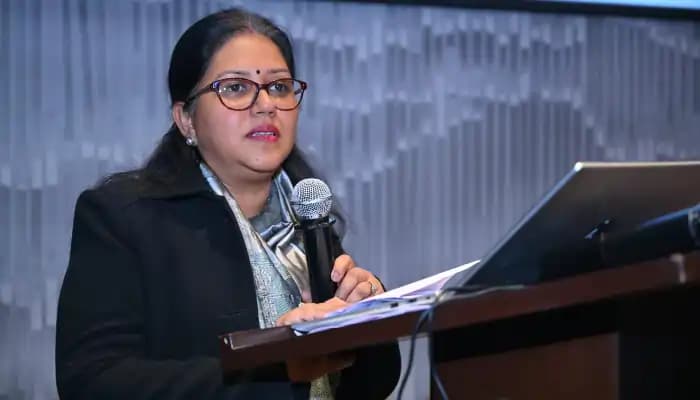
Manasi Das, Group HR Head, Krishna Group. A seasoned HR leader with 25+ years of experience driving organizational transformation, talent strategy, leadership development, and high-performance cultures across global and Indian businesses.
View all articles by Manasi Das →