
Culture of Recognition: Reena Wahi on KPMG in India’s R&R Best Practices
Advertisement

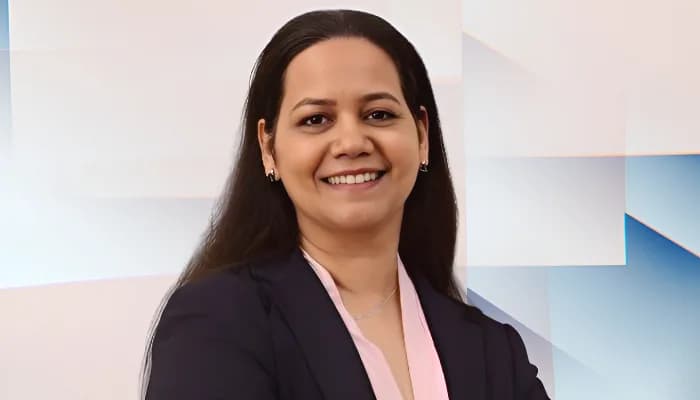

Conversation with Reena Wahi, Partner and Head of People, Performance and Culture, KPMG in India
Advertisement
In this role, Reena leads KPMG in India’s human resources function, which comprises talent management and strategy, driving the people culture and professional development to further KPMG in India’s operations and growth.
She has over 25 years of experience, with strong functional expertise in organisational & culture transformation, change management, talent engagement, and future-ready talent development.
She boasts a unique blend of consulting and industry experience spanning various sectors such as Real Estate, Consulting, Financial Services, GCC’s, and Hospitality.
Her experience also extends to areas of Risk Management & Corporate Governance, and she has successfully developed and deployed Governance, Compliance, and Enterprise Risk Frameworks for various organisations.
Advertisement
Q- How is KPMG in India aligning its Rewards & Recognition strategy with larger business priorities such as retention, productivity, and employee engagement?
At KPMG in India, we see Rewards & Recognition as much more than a programme. It’s a strategic lever to drive culture, performance, and engagement. Our approach is anchored in being equitable, performance-driven, and market-competitive, while also making recognition a core leadership behaviour.
We have placed strong emphasis on enabling managers to recognise contributions consistently and in real time. With instant rewards available via mobile and our internal communication and collaboration platforms, recognition is timely, accessible, and seamless.
At the same time, initiatives like Gratitude Corners and peer recognition help build a culture of everyday appreciation. All of this is backed by our Rewards & Recognition Playbook, clear governance, and focused communication to ensure that recognition remains consistent and meaningful. Together, these efforts contribute to stronger engagement, improved productivity, and better retention.
Q-What are the biggest changes you are witnessing in employee expectations from Rewards & Recognition programs, especially among younger and emerging talent?
Advertisement
What we are clearly seeing is a shift from formal, occasional recognition to a culture of continuous appreciation. Today, the younger and emerging talent want recognition that feels real, timely, and personal.
They value spontaneity and authenticity over scale. In response, initiatives like Gratitude Corners encourage both peers and managers to appreciate contributions in the moment, while our digital R&R platform ensures that recognition is consistent and accessible across locations.
The shift is quite clear: recognition today needs to be immediate, inclusive, and more human-centric.
Q- How do Rewards & Recognition initiatives support leadership development and high-potential talent retention within the organisation?
Rewards & Recognition plays an important role in shaping leadership behaviours by reinforcing what we value such as collaboration, innovation, inclusion, and impact. What gets recognised is often what gets repeated.
For leadership and high-potential talent, recognition goes beyond individual wins. It includes acknowledging sustained performance, strategic contributions, and the ability to create impact across teams. This visibility, when delivered consistently, builds confidence, a sense of belonging, and long-term commitment.
At the same time, we continue to differentiate rewards based on performance and contribution. This helps reinforce a culture of accountability, excellence, and meritocracy, while strengthening both retention and leadership readiness.
Q- How do you ensure that recognition remains meaningful and inclusive across corporate, manufacturing, and frontline workforce segments?
Inclusivity is a key focus for us, and we approach it through flexibility and accessibility.
We use a multi-channel approach that combines digital platforms with on-ground, manager-led initiatives and team-driven programmes so that recognition reaches employees across different roles and environments.
While formats may vary, the principles remain consistent: fairness, transparency, and relevance. We also focus on continuous listening to understand what works for different employee segments. This helps ensure that recognition stays meaningful, inclusive, and impactful across the organisation.
Q-How is KPMG in India leveraging technology and AI to make Rewards & Recognition programs more personalised, transparent, and data-driven?
Technology plays a key role in making recognition timely and scalable. Integrated platforms such as mobile and our internal communication and collaboration platforms are also being used to enable real-time, personalised recognition, making it a seamless part of everyday work
We’re also using automation like digital Memory Books to enhance the overall experience. At the same time, analytics and dashboards provide valuable insights, helping us improve transparency and continuously refine our programs.
That said, while technology helps us scale and personalise, the core remains human. Our focus is always on ensuring that people feel genuinely valued.
Q- Any final comments?
At KPMG in India, Rewards & Recognition is steadily evolving into a core enabler of culture and performance and not just a standalone programme.
Our focus is on creating personalised, meaningful, and purpose-driven experiences that resonate with employees across their journey. By embedding recognition into everyday work and aligning it closely with impact, we are building a culture where appreciation is continuous, inclusive, and authentic.
Ultimately, it’s about ensuring our people feel valued and that’s what drives stronger engagement, deeper commitment, and long-term success for both individuals and the firm.
Thank you, Reena!
Note: We are also on WhatsApp, LinkedIn, and YouTube to get the latest news updates. Subscribe to our Channels. WhatsApp– Click Here, YouTube – Click Here, and LinkedIn– Click Here.