
Beyond Compensation: How Recognition Culture Wins Gen Z Talent
Advertisement


The conversation around hiring has changed dramatically over the last few years. While organizations continue to compete on compensation, benefits, and career opportunities, a quieter but more profound shift is taking place in the workforce. Increasingly, candidates—especially Gen Z professionals—are evaluating employers not just on what they pay, but on how they value people.
Advertisement
For a generation entering the workforce amid rapid technological change, economic uncertainty, and the rise of artificial intelligence, recognition has become more than a workplace practice. It has become a reflection of organizational culture.
The organizations that will win the war for talent over the next decade are unlikely to be those with the biggest budgets. They will be those that create an environment where people feel seen, respected, trusted, and appreciated.
The Gen Z Mindset: Looking Beyond the Paycheck
Unlike previous generations, Gen Z has entered a world where information is abundant, opportunities are accessible, and career paths are no longer linear.
Advertisement
They have grown up in a digital-first world where feedback is immediate, learning is continuous, and personal branding starts early. As a result, they are less willing to spend years waiting for recognition, visibility, or career progression.
This generation seeks workplaces where:
- Contributions are acknowledged.
- Ideas are welcomed regardless of hierarchy.
- Learning is encouraged.
- Performance is rewarded fairly.
- Individual identity is respected.
In many ways, Gen Z is not demanding something new. They are simply expecting organizations to be more human.
Advertisement
Recognition, therefore, is no longer an employee engagement initiative. It has become a fundamental expectation.
Recognition Is About Respect, Not Rewards
One of the biggest misconceptions organizations make is equating recognition with rewards.
Recognition is not always about bonuses, incentives, or awards. At its core, recognition is about demonstrating respect for an individual’s effort, contribution, and potential.
A timely appreciation message, public acknowledgment of a successful project, trust to lead an initiative, or constructive feedback from a manager often carries more meaning than monetary rewards alone.
For Gen Z professionals, recognition signals three important things:
- My work matters.
- My growth matters.
- I matter.
Organizations that understand this create stronger emotional connections with employees and, consequently, stronger retention outcomes.
Recognition Culture in the Age of AI
As artificial intelligence continues to automate tasks and redefine roles, the human aspects of work are becoming increasingly valuable.
Technical skills may get employees hired, but creativity, collaboration, adaptability, and empathy will increasingly determine success.
Recognition culture plays a critical role in reinforcing these behaviors.
When organizations celebrate learning, experimentation, teamwork, and innovation—not just outcomes—they create an environment where people feel safe to contribute their best ideas.
This is particularly important for younger professionals who are navigating careers in a world where job roles are evolving faster than ever before.
The future workplace will not be defined by technology alone. It will be defined by how organizations balance technology with human dignity.
Why Recognition Has Become a Hiring Advantage
Today’s candidates research organizations long before applying.
They read employee reviews, follow company updates on LinkedIn, engage with professional communities, and seek authentic stories from current employees.
As a result, employer branding is no longer shaped by marketing campaigns. It is shaped by employee experiences.
Organizations with strong recognition cultures often benefit from:
- Higher employee advocacy
- Better referral hiring
- Stronger employer brand perception
- Improved retention
- Faster hiring outcomes
People naturally want to work where people are valued.
In many cases, candidates are willing to choose a workplace that offers growth, flexibility, and appreciation over one that simply offers a higher salary.
The Emerging Shift from Talent Acquisition to Talent Appreciation
For years, organizations focused heavily on acquiring talent. However, in an environment where skilled professionals have multiple career options, the real challenge is no longer finding talent—it is creating conditions where talent chooses to stay and contribute.
This requires a mindset shift.
Organizations must move from asking:
“How do we hire people?”
to
“How do we help people succeed once they join?”
Recognition becomes one of the strongest answers to that question.
The most successful organizations understand that appreciation should not begin after hiring. It should start during the hiring process itself.
Respectful communication, transparent expectations, timely feedback, and a positive candidate experience all contribute to a culture of recognition.
The TalentOnLease Perspective: Recognizing Talent Before It Is Hired
At TalentOnLease, we have always believed that talent is more than a resource—it is human potential waiting to be unlocked.
While the industry often focuses on resumes, job descriptions, and hiring metrics, we see an equally important challenge: ensuring that talent feels valued throughout the hiring journey.
This philosophy influences everything we do.
Whether it is helping organizations access pre-vetted professionals within 48–72 hours, enabling project-based opportunities, or creating pathways for candidates to be considered across multiple opportunities, the underlying principle remains the same—recognize capability, not just credentials.
In many traditional hiring environments, candidates are often reduced to keywords on a resume or filtered out after a single opportunity.
We believe talent deserves better.
A candidate rejected for one role may be the ideal fit for another. A professional with non-traditional experience may bring exceptional value when assessed through skills rather than pedigree. An individual seeking flexibility may contribute more effectively than someone following a conventional career path.
Recognition begins when organizations acknowledge these possibilities.
This is why the future of hiring will increasingly belong to organizations that embrace meritocracy, skills-based evaluation, and inclusive opportunities.
Building a Recognition-First Organization
Organizations looking to attract and retain Gen Z talent should focus on creating recognition as a daily practice rather than an annual event.
Some practical steps include:
- Recognize effort alongside outcomes.
- Celebrate learning and growth.
- Encourage peer-to-peer appreciation.
- Create transparent feedback mechanisms.
- Promote based on capability and contribution.
- Value flexibility and trust.
- Give younger employees visibility and ownership.
Most importantly, leaders must demonstrate recognition through their actions, not just policies.
Culture is ultimately defined by what leaders consistently encourage, reward, and celebrate.
Conclusion
As the workforce continues to evolve, organizations face a critical choice. They can continue viewing talent as a transactional asset, or they can embrace a more human-centered approach where people feel valued, respected, and empowered.
Gen Z is making that choice increasingly clear.
They are seeking workplaces where recognition is not confined to awards ceremonies or performance reviews but is embedded in everyday interactions, leadership behaviors, and organizational values.
The companies that thrive in the future will be those that understand a simple but powerful truth: people do their best work when they know their contributions matter.
Recognition is therefore not merely a culture initiative. It is a talent strategy, a leadership philosophy, and increasingly, a competitive advantage.
In a world being transformed by technology, organizations that recognize human potential—before hiring, during employment, and throughout the employee journey—will be the ones that attract the next generation of talent and inspire them to stay, grow, and succeed.
Note: We are also on WhatsApp, LinkedIn, and YouTube to get the latest news updates. Subscribe to our Channels. WhatsApp– Click Here, YouTube – Click Here, and LinkedIn– Click Here.
About the Author
Daya Prakash
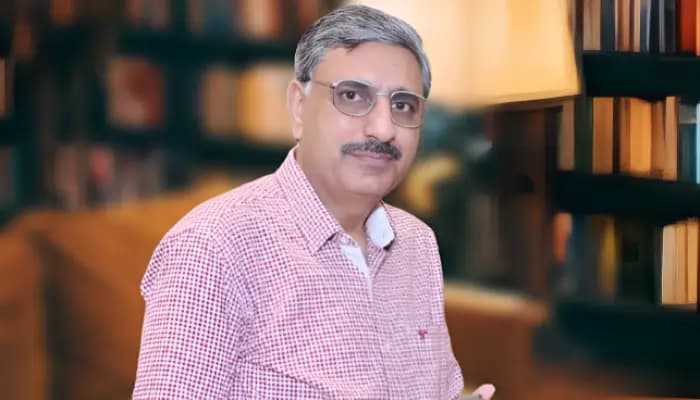
Daya Prakash is Founder of TalentOnLease, an AI-powered tech hiring platform enabling enterprises to connect with top-tier technology talent within 24–48 hours. Previously, he served as CIO at LG Electronics India, driving large-scale digital transformation and enterprise technology initiatives.
View all articles by Daya Prakash →