


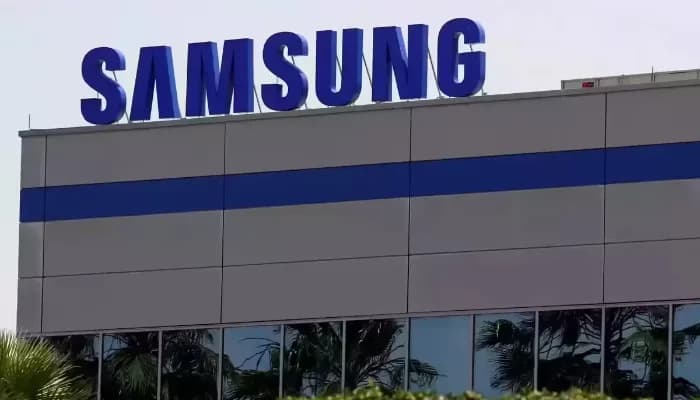

South Korea’s economic landscape is bracing for a significant tremor as the National Samsung Electronics Union (NSEU) initiates large-scale industrial action.
Advertisement
The strike involves a substantial portion of the company’s workforce and threatens to paralyze production lines.
This action could ripple through the national economy, potentially impacting 120,000 employees and vital export sectors.
Samsung Electronics Workers Escalating Wage Disputes and Labor Unrest
The conflict stems from a breakdown in negotiations between Samsung management and the NSEU, which represents roughly 28,000 members.
Advertisement
Workers are demanding higher wage increases, transparent bonus structures, and improved working conditions.
For the first time in the company’s 55-year history, the union has moved beyond symbolic protests to coordinated walkouts.
Industry analysts warn that the disruption extends far beyond the union members themselves.
Because Samsung operates on a highly integrated “just-in-time” manufacturing model, a halt in one section can stall the entire ecosystem.
This creates a precarious situation for the approximately 120,000 total staff across various subsidiaries and sub-contractors who rely on seamless production cycles.
Advertisement
A Threat to South Korea’s Export Engine
The stakes for South Korea are exceptionally high. Semiconductors and electronic components account for nearly 20% of the nation’s total exports.
As the world’s largest memory chip maker, any prolonged downtime at Samsung’s fabrication plants could lead to a global supply shortage, driving up prices for consumer electronics and automotive parts.
The South Korean government has expressed “grave concern” regarding the strike’s timing.
With the global economy already facing inflationary pressures, a dip in South Korean export volumes could weaken the Won and slow national GDP growth.
Government officials have urged both parties to reach a compromise to avoid a “self-inflicted economic wound.”
The Road Ahead: Management vs. Labor
Samsung management has stated they remain committed to dialogue but emphasize that excessive wage hikes could hurt the company’s competitiveness against rivals like TSMC and SK Hynix.
Conversely, the union argues that Samsung’s record-breaking profits in the AI era should be shared more equitably with the workforce.
As the “D-day” for prolonged action nears, the global tech industry watches closely to see if a resolution can be found before the supply chain breaks.
Note: We are also on WhatsApp, LinkedIn, and YouTube to get the latest news updates. Subscribe to our Channels. WhatsApp– Click Here, YouTube – Click Here, and LinkedIn– Click Here.
About the Author
Sahiba Sharma
Sahiba Sharma, Senior Editor - Content at SightsIn Plus
View all articles by Sahiba Sharma →