
SEBI Proposes Hiding Mutual Fund Executive Compensation
Advertisement


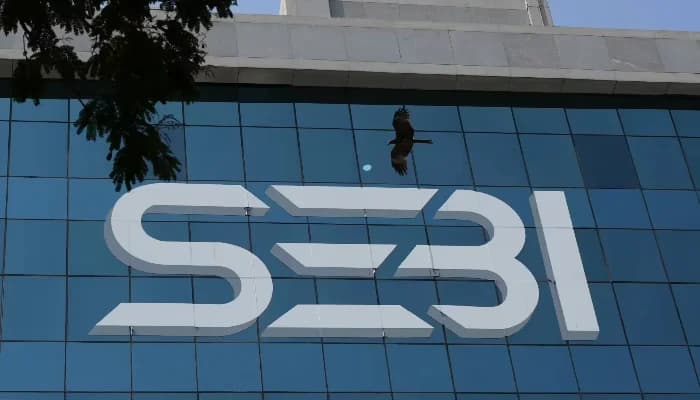

The Securities and Exchange Board of India (SEBI) has released a comprehensive consultation paper proposing a major roll-back on the granular salary transparency rules currently imposed on India’s asset management companies (AMCs).
Advertisement
Under the draft framework issued on June 10, 2026, the markets regulator intends to replace name-wise, individual compensation listings of mutual fund executives with broader, cohort-based consolidated numbers.
The proposed policy shift would significantly alter the depth of organizational information openly available to public investors and unitholders across India’s multi-trillion rupee mutual fund industry.
The Move from Individual Packages to Group Aggregates
Under the regulatory architecture established in 2016, AMCs are legally required to publicly host explicit salary details for their top management.
Advertisement
This existing mandate forces fund houses to name and list exact earnings for key corporate officers—specifically Chief Executive Officers (CEOs), Chief Investment Officers (CIOs), and Chief Operating Officers (COOs).
Furthermore, the websites must specify individual remuneration figures for their top ten highest-compensated employees, alongside any professional drawing an annual package equal to or exceeding ₹1.02 crore.
SEBI’s new draft changes this entirely.
The regulator suggests moving to an “employee-group level” presentation.
Instead of specifying what a particular executive takes home, an AMC would publish a singular lumped sum alongside the total headcount within that particular structural category.
Advertisement
Privacy, Proportionality, and the Talent War at SEBI
The dramatic regulatory re-evaluation directly follows extensive representations submitted by the Association of Mutual Funds in India (AMFI).
Fund houses argued that explicit salary sheets provide “limited incremental value” to investors, noting that mutual fund clients act as unitholders rather than active corporate shareholders with direct AMC ownership rights.
Furthermore, the industry flagged severe employee privacy vulnerabilities and localized data protection threats.
Asset managers highlighted a structural competitive asymmetry, pointing out that alternative investment avenues—such as Portfolio Management Services (PMS) and Alternative Investment Funds (AIFs)—face no such transparency constraints.
The absence of matching pay rules in those sectors has frequently allowed them to aggressively poach executive talent from transparent mutual funds.
A Caveat for Fund Managers
While the proposal shields C-suite executives from public salary scrutiny, SEBI introduced a mechanism for fund managers.
The regulator proposes scheme-level consolidated disclosures outlining the total compensation assigned to a specific scheme’s portfolio management team.
Crucially, this specialized data would be hidden from AMC public portals.
It would remain available purely on an “upon-request” basis, restricted exclusively to existing investors who hold an active unitholding in that exact individual scheme.
The market watchdog has opened the consultation paper for comprehensive public commentary and feedback until June 30, 2026.
Note: We are also on WhatsApp, LinkedIn, and YouTube to get the latest news updates. Subscribe to our Channels. WhatsApp– Click Here, YouTube – Click Here, and LinkedIn– Click Here.
About the Author
Sahiba Sharma
Sahiba Sharma, Senior Editor - Content at SightsIn Plus
View all articles by Sahiba Sharma →