
Teradata Halts Annual Increments to Finance AI Evolution
Advertisement


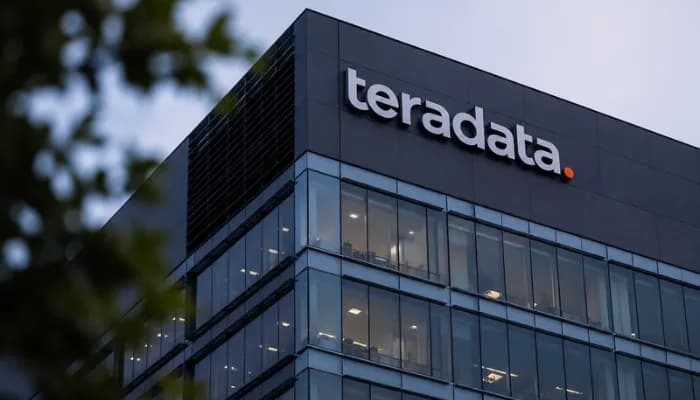

In a striking reflection of how artificial intelligence is shifting corporate priorities, global cloud software and analytics firm Teradata has announced a freeze on annual salary hikes for 2026.
Advertisement
According to an internal memo sent by CEO Steve McMillan—first reported by Business Insider—the company is entirely redirecting its customary salary-increment budget to fund aggressive investments in AI technology, specialized talent, and product innovation.
Prioritizing AI Over Base Pay
The decision impacts approximately 5,100 global employees.
In the internal memo, McMillan stated that Teradata’s primary objective for 2026 is to “win in the market with AI.”
Advertisement
To secure this position, the company is choosing to reallocate the capital typically reserved for annual salary revisions.
Employees noted that while yearly increments were never strictly guaranteed, they traditionally ranged between 2% and 4%.
The freeze will primarily apply in countries and jurisdictions where employers are not legally mandated to provide market-linked compensation adjustments.
However, Teradata has not eliminated all corporate rewards; the leadership team confirmed that workers remain eligible for alternative compensation structures, including performance-based bonuses, equity-based rewards, and incentive programs tied directly to business outcomes.
Advertisement
Teradata Revenue Pressures and Industry Trends
The financial trade-off comes as Teradata navigates tightening economic conditions.
The company reported a 5% revenue decline in its most recent financial year, mounting pressure on executives to prioritize high-growth sectors.
Industry data indicates a massive surge in tech-governance adjustments, with an RBC Capital Markets survey revealing that 90% of IT leaders expect to boost AI spending in 2026.
Teradata is not alone in making direct trade-offs between human capital and digital transformation.
Technology services firm TTEC similarly paused its 401(k) retirement matching contributions for US employees through 2026 to finance AI infrastructure and training.
Experts note that as large-scale enterprise AI deployment costs escalate into millions of dollars, human compensation is increasingly becoming the primary funding source for corporate technological upgrades.
Note: We are also on WhatsApp, LinkedIn, and YouTube to get the latest news updates. Subscribe to our Channels. WhatsApp– Click Here, YouTube – Click Here, and LinkedIn– Click Here.
About the Author
Sahiba Sharma
Sahiba Sharma, Senior Editor - Content at SightsIn Plus
View all articles by Sahiba Sharma →