
US Lawmakers Introduce Bill to End H-1B Visa Abuse
Advertisement


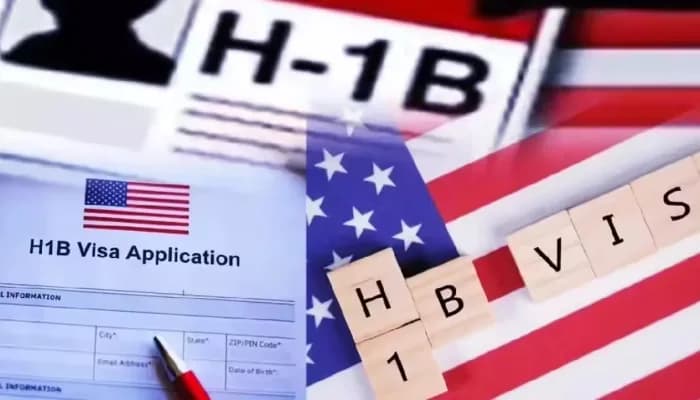

In a bid to protect American white-collar jobs, hardline Republican lawmakers in the U.S. Congress have introduced a sweeping legislative framework to overhaul the H-1B visa program.
Advertisement
Spearheaded by Representative Chip Roy (R-TX), the “American White-Collar Worker Jobs Act of 2026” targets systemic loopholes used by tech corporations to prioritize cheaper foreign labor over domestic STEM professionals.
The proposal expands upon the “End H-1B Visa Abuse Act of 2026,” introduced earlier by Representative Eli Crane (R-AZ).
If passed, the legislation will radically change the landscape for highly skilled foreign workers, particularly from India.
Dismantling the Green Card Pathway and Dual Intent
Advertisement
The most disruptive element of the new bill is the complete elimination of the long-standing “dual intent” provision.
Currently, H-1B visa holders can legally work in the U.S. while simultaneously seeking permanent residency (a Green Card).
The proposed law would strip this benefit, requiring all applicants to maintain a foreign residence they have no intention of abandoning.
Furthermore, it completely bars H-1B visa holders from adjusting their immigration status to permanent residency while inside the United States, effectively decoupling the work visa from the green card pipeline.
Advertisement
H-1B Visa: Slashing Caps, Raising Salaries, and Ending OPT
To heavily disincentivize corporations from outsourcing, the legislation introduces aggressive structural and fiscal bottlenecks:
- The Lottery Elimination: The current random lottery system would be permanently replaced by a merit- and wage-based selection process.
- Drastic Cap Reductions: The annual H-1B visa cap would be slashed from 65,000 to just 25,000, entirely eliminating advanced-degree and university exemptions.
- Soaring Wage Floors: The minimum salary threshold for an H-1B worker would be set at a massive $200,000 per year, accompanied by a hefty $100,000 fee on every employer petition.
- No Spousal Visas or Extensions: The bill shortens the visa’s maximum duration from six years to two years, prevents duration extensions, and abolishes the H-4 dependent visa, stopping spouses and minor children from accompanying workers.
Additionally, the bill mandates the total elimination of the Optional Practical Training (OPT) program.
This program currently allows international graduates from U.S. universities to work domestically for up to three years.
Target on Staffing Agencies and Next Steps
The bill strictly prohibits third-party IT consulting firms and staffing agencies from filing H-1B petitions.
This move directly targets the business models of subcontracting entities often accused of driving wage suppression.
Backed by advocacy organizations like U.S. Tech Workers and the Immigration Accountability Project, the hardline bills face significant hurdles.
They must still navigate contentious debates and formal votes in both chambers of Congress to become law.
Note: We are also on WhatsApp, LinkedIn, and YouTube to get the latest news updates. Subscribe to our Channels. WhatsApp– Click Here, YouTube – Click Here, and LinkedIn– Click Here.
About the Author
Sahiba Sharma
Sahiba Sharma, Senior Editor - Content at SightsIn Plus
View all articles by Sahiba Sharma →