
US Proposes Broad Duties of Up to 12.5% Citing Global Forced Labor Failures
Advertisement


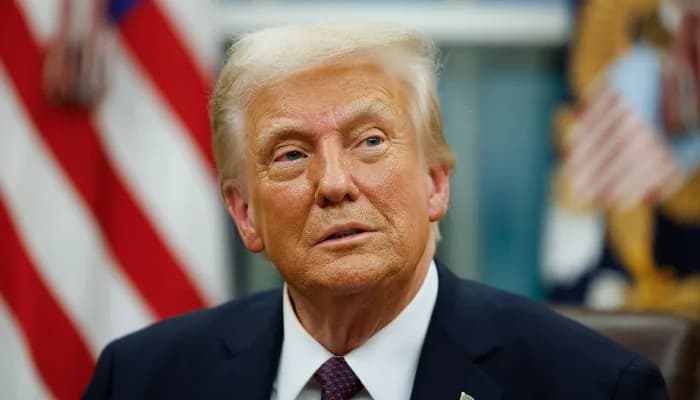

In a major escalation of its global trade offensive, the Office of the United States Trade Representative (USTR) has proposed sweeping new tariffs due to forced labor targeting 60 economies.
Advertisement
The administration is leveraging forced labor concerns to rebuild its aggressive import-tax agenda following significant domestic legal setbacks.
The Two-Tiered Penalty Framework for Forced Labor Failures
The proposed duties follow Section 301 investigations launched earlier this year to evaluate how effectively America’s primary trading partners block goods produced under coercive conditions.
The USTR concluded that inadequate enforcement by foreign governments severely restricts US commerce and undermines local manufacturing.
Advertisement
“The failure of our most important trading partners to address the importation of goods made with forced labor is unacceptable,” stated US Trade Representative Jamieson Greer.
“This creates a dynamic where American workers are forced to compete globally on an unlevel playing field.”
The penalty structure divides the 60 scrutinized economies into two distinct tiers:
- The 10% Tariff Tier: Applied to economies that maintain partial forced labor import bans, or possess reciprocal trade agreements with the US but are failing to effectively enforce them. This group of six includes Canada, Mexico, Pakistan, Ecuador, Indonesia, and the European Union.
- The 12.5% Tariff Tier: Applied to 54 economies deemed to have failed entirely in establishing or enforcing a forced labor import prohibition. This list features major manufacturing hubs including China, India, Vietnam, Taiwan, Bangladesh, and the United Kingdom.
Advertisement
Exemptions and the Legal Pivot
The broad duties will not take effect immediately.
The USTR has established a strict public review process, inviting written public comments by July 6, 2026, before a Section 301 panel convenes public hearings on July 7, 2026.
Furthermore, the proposal features strategic exemptions designed to temper consumer impact, excluding goods like beef, coffee, specific fruits, nuts, and select textiles.
Crucially, products from Canada and Mexico that fully comply with the USMCA free trade pact will remain exempt.
This Section 301 maneuver represents a critical pivot for the Trump administration’s economic strategy.
In February 2026, the US Supreme Court struck down a vast swath of universal tariffs originally implemented under the International Emergency Economic Powers Act (IEEPA), ruling them an unauthorized use of presidential authority.
By routing the new 10% to 12.5% duties through Section 301 statutory trade investigations, the White House aims to secure a more legally resilient, permanent framework for its protectionist agenda.
Note: We are also on WhatsApp, LinkedIn, and YouTube to get the latest news updates. Subscribe to our Channels. WhatsApp– Click Here, YouTube – Click Here, and LinkedIn– Click Here.
About the Author
Sahiba Sharma
Sahiba Sharma, Senior Editor - Content at SightsIn Plus
View all articles by Sahiba Sharma →