
Labour Codes To Boost Female Employment & Gig Worker Rights
Advertisement


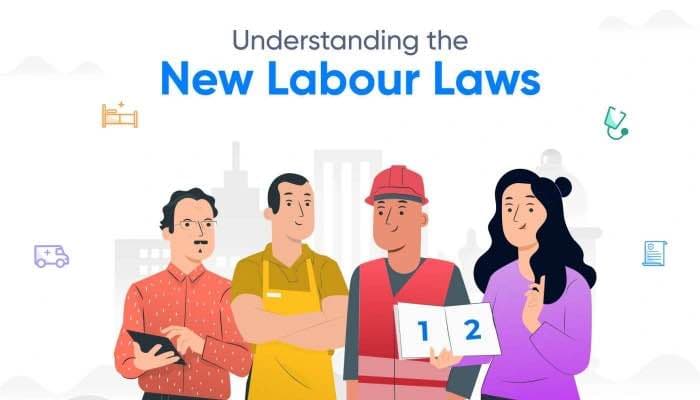

As India prepares to implement its four comprehensive Labour Codes, the nation stands on the brink of a monumental shift in its industrial relations and employment landscape.
Advertisement
By consolidating 29 central laws into four streamlined codes—covering Wages, Industrial Relations, Social Security, and Occupational Safety—the government aims to foster a modern, expanding, and diverse workforce.
Labour Codes Streamlining for Growth and Inclusivity
The new framework introduces eight pivotal mechanisms to modernize the Indian labor market:
- Universal Minimum Wages: The Code on Wages ensures a statutory right to minimum wages for all 500 million workers in India regardless of sector or salary ceiling. This mandate promotes economic equity across the nation.
- Social Security for Gig Workers: For the first time, gig and platform workers are recognized, granting them access to health and maternity benefits, which is vital for an increasingly digital economy.
- Gender Parity and Diversity: The codes mandate equal wages for equal work and allow women to work night shifts across all sectors with mandatory safety protocols, significantly boosting female labor force participation.
- Simplified Compliance: The codes lower the “Inspector Raj” burden by reducing the number of registrations and filings. This change encourages MSMEs to scale and hire formally.
- Fixed-Term Employment: This provides flexibility to employers while ensuring that temporary workers receive the same statutory benefits as permanent employees.
- Digitalization of Labour Governance: The transition to “One Portal, One Return” streamlines administrative tasks, making the workforce more agile and data-driven.
- Occupational Safety Standards: Modernized safety norms and mandatory annual health check-ups at the employer’s expense prioritize worker well-being. These measures are essential for a rapidly industrializing nation.
- Reskilling Fund: A dedicated fund for retrenched workers ensures that the workforce remains employable. This support continues even as automation and AI reshape traditional roles.
Advertisement
Adapting to a Global Economy
These reforms are designed to align India with global standards. This shift makes the country a more attractive destination for Foreign Direct Investment.
The codes balance employer flexibility with robust worker protections.
This approach creates a stable environment for long-term industrial expansion and professional diversity.
Advertisement
Note: We are also on WhatsApp, LinkedIn, and YouTube to get the latest news updates. Subscribe to our Channels. WhatsApp– Click Here, YouTube – Click Here, and LinkedIn– Click Here.
About the Author
Sahiba Sharma
Sahiba Sharma, Senior Editor - Content at SightsIn Plus
View all articles by Sahiba Sharma →