
Ford rehired 350 engineers after AI failed to meet quality standards
Advertisement
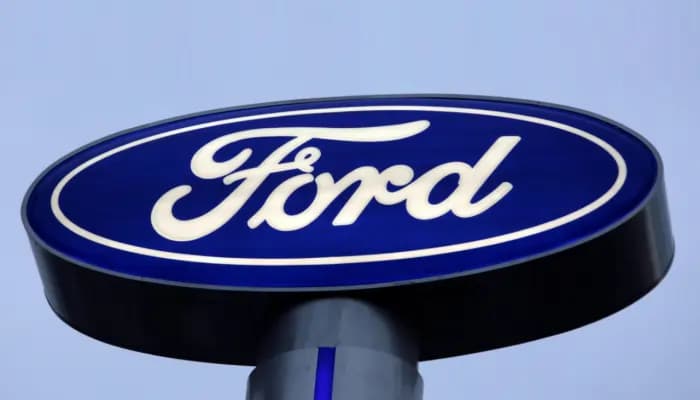

American automaker Ford has brought back around 350 veteran engineers after its AI-based quality control systems failed to meet the company’s quality standards. The move shows that while artificial intelligence can improve manufacturing processes, it cannot fully replace the knowledge and experience of skilled engineers.
Advertisement
Like many global companies, Ford adopted AI to lower costs, improve productivity, and strengthen quality checks in its factories. The company also installed around 900 AI-powered cameras across its manufacturing plants to detect defects early and reduce supply chain problems.
However, Ford has now accepted that AI alone was not enough to maintain the level of vehicle quality it expected.
Ford Admits Experience Was Overlooked
Charles Poon, Vice President of Vehicle Hardware Engineering at Ford, said the company did not give enough importance to the knowledge of its experienced engineers while expanding the use of AI.
Advertisement
Speaking to the BBC, Poon said AI is a useful tool, but its performance depends on the quality of the information used to train it. He admitted that many experienced engineers had already left the company before their knowledge could be used to improve AI systems.
Poon said the company wrongly believed that feeding design requirements into AI would be enough to produce high-quality vehicles. In reality, the automated systems lacked the practical understanding that engineers gain after working on many vehicle programmes over several years.
Ford has now brought back many of these experienced engineers to support product development and help improve the way AI systems are trained.
What It Means for Jobs
Advertisement
Ford’s decision shows that AI works best when it supports people rather than replaces them. Experienced employees continue to play an important role in finding problems, making decisions, and maintaining product quality.
For employers, the case highlights the need to keep experienced talent even while investing in AI. Companies may increasingly focus on combining technology with human skills to achieve better results.
For employees, the development is a reminder that practical experience remains valuable. As more companies adopt AI, workers with strong technical knowledge and years of experience are likely to remain important in manufacturing and engineering.
Ford’s experience shows that AI can improve efficiency, but human expertise is still needed to build high-quality products.
Note: We are also on WhatsApp, LinkedIn, and YouTube to get the latest news updates. Subscribe to our Channels. WhatsApp– Click Here, YouTube – Click Here, and LinkedIn– Click Here.
About the Author
Sheetal Singh
Sheetal Singh, Senior News Journalist, SightsIn Plus
View all articles by Sheetal Singh →