
Why You Should Stop Buying Gold and Work From Home Now
Advertisement


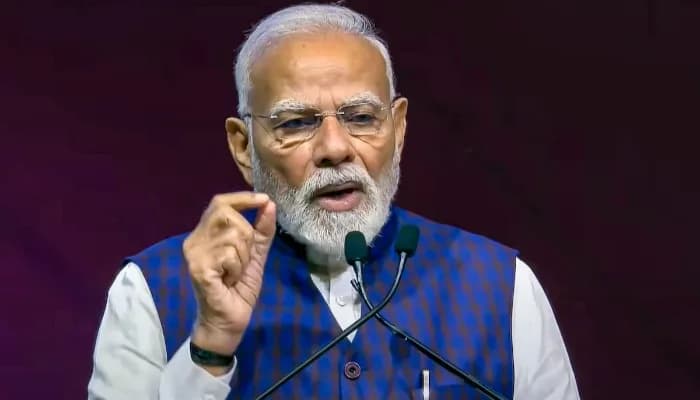

In a significant address to the nation, Prime Minister Narendra Modi has called for a collective effort including work from home to stabilize the Indian economy as global oil prices reach record highs.
Advertisement
Highlighting the severe impact of international supply chain disruptions, the Prime Minister urged citizens to adopt a “mission-mode” approach to conservation, suggesting a temporary shift in lifestyle and investment habits.
Prioritizing “Work From Home” to Save Fuel
Addressing the soaring cost of crude oil imports, PM Modi emphasized the need to reduce petrol and diesel consumption.
He urged corporate India and government departments to re-embrace “Work From Home” (WFH) wherever feasible.
Advertisement
“Every drop of petrol saved is a contribution to our national reserves,” the PM stated.
By reducing daily commutes, the government aims to decrease the massive drain on foreign exchange reserves currently being spent on energy imports.
The Gold Sabbatical: A Plea to Halt Imports
The Prime Minister made a direct appeal to Indian households to refrain from buying gold for at least one year. This move surprised many market analysts.
Advertisement
India remains one of the world’s largest consumers of gold, most of which is imported.
“I urge my fellow citizens to think of the nation first. By choosing not to buy gold for a year, we can significantly reduce our current account deficit and strengthen the Indian Rupee,” he added.
The Prime Minister suggested that citizens should look toward digital infrastructure and productive investment schemes instead of physical gold.
These options aim to keep capital within the country.
Economic Resilience Through Individual Action
The Prime Minister’s appeal comes at a time when the government is navigating a delicate balancing act between controlling inflation and maintaining infrastructure growth.
Senior officials suggest that they intend these “voluntary restrictions” to prevent more drastic mandatory measures.
The Prime Minister framed these suggestions as a form of “Economic Satyagraha.”
He called on the middle class and the wealthy to lead in fiscal discipline to protect vulnerable citizens from rising costs.
Note: We are also on WhatsApp, LinkedIn, and YouTube to get the latest news updates. Subscribe to our Channels. WhatsApp– Click Here, YouTube – Click Here, and LinkedIn– Click Here.
About the Author
Sahiba Sharma
Sahiba Sharma, Senior Editor - Content at SightsIn Plus
View all articles by Sahiba Sharma →