
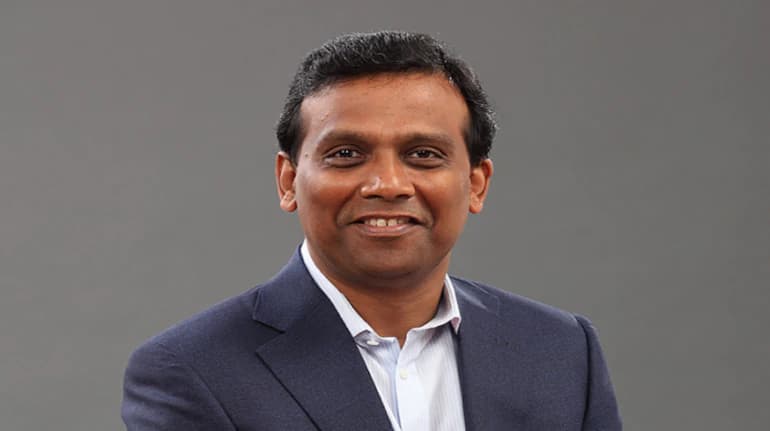

Artificial intelligence is entering a new phase of enterprise adoption, with businesses now focusing on measurable business outcomes instead of just experimenting with the technology, according to Cognizant CEO Ravi Kumar S.
Advertisement
Speaking to CNBC-TV18, Kumar said the IT services industry has reached a stage where organisations are moving beyond AI pilot projects and deploying AI solutions to improve productivity, streamline operations and deliver real business value.
Businesses Focus on Returns from AI Investments
Kumar said the first phase of enterprise AI was largely about testing different use cases without clear commercial goals. The next phase, however, is centred on return on investment (ROI), with companies making more informed decisions about which AI models to use based on cost, performance and efficiency.
Advertisement
He added that many organisations are also creating AI-enabled workflows where employees and AI systems work together. This approach helps businesses build continuous learning cycles, improve decision-making and increase operational efficiency over time.
BFSI Sector Driving Fresh Technology Spending
Kumar said the banking, financial services and insurance (BFSI) sector is showing stronger momentum. According to him, regulatory changes in the US and growing confidence among enterprises are encouraging fresh technology investments instead of simply shifting existing IT budgets.
He expects Cognizant’s business to improve further during the rest of the year, with stronger growth in the second half. While the company has updated its full-year guidance, Kumar said the expected exit rate indicates better business momentum heading into the next financial year.
Advertisement
AI Success Measured Through Productivity
Instead of measuring AI’s contribution as a percentage of revenue, Cognizant evaluates its impact through improvements in revenue and profitability per employee.
According to Kumar, these metrics provide a clearer picture of how AI is improving workforce productivity, enhancing operational efficiency, and creating long-term value for the business.
Note: We are also on WhatsApp, LinkedIn, and YouTube to get the latest news updates. Subscribe to our Channels. WhatsApp– Click Here, YouTube – Click Here, and LinkedIn– Click Here
About the Author
Sheetal Singh
Sheetal Singh, Senior News Journalist, SightsIn Plus
View all articles by Sheetal Singh →