
OpenAI Achieves AI Research Intern Goal, Targets Automated Researcher by 2028
Advertisement


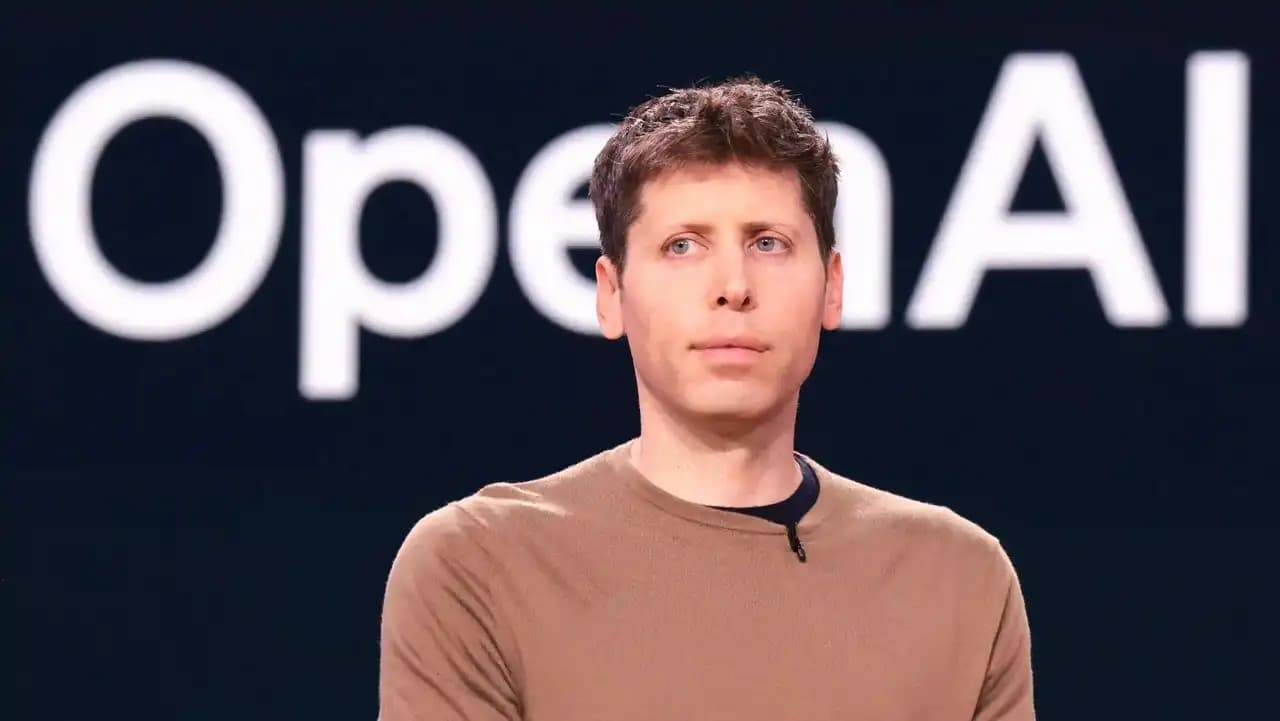

OpenAI says it has achieved its goal of building an automated AI research intern that can handle well-defined research tasks under human direction, including work that could take a skilled researcher several days.
Advertisement
The company is now working towards an automated AI researcher by March 2028.
AI agents take on more research work
In a research update published on September 6, OpenAI said its researchers are increasingly using coding agents during their daily work. These agents are being used to write code, run experiments and handle more complex research tasks.
OpenAI said that by mid-August, its research organisation was using the equivalent of 3.1 agent-workdays for every human workday. Researchers were also increasingly running multiple agents at the same time.
Advertisement
The company said agents are now being given tasks beyond coding, including:
- Research planning and preparing technical specifications
- Analysing experiments and monitoring training runs
- Troubleshooting research infrastructure
- Running longer and more complex research tasks
However, OpenAI said these systems still require human involvement, particularly as tasks become more complicated.
In the six months covered by its analysis, more than half of successful tasks estimated to take humans four to eight hours involved at least one human intervention.
What the 2028 target means for work
Advertisement
OpenAI’s next target is an automated AI researcher that can work under human supervision on areas such as deep learning and AI alignment. The company says it is making strong progress towards this goal, but the 2028 timeline is a target, not a confirmed delivery date.
For businesses and HR teams, the development points to a possible change in how highly skilled technical work is organised. AI systems may increasingly take on coding, testing, analysis and other repeatable research activities, while human researchers continue to define priorities, assess results and decide which ideas should be pursued.
OpenAI itself says people still set research priorities and decide whether to scale, pause or deploy systems. It has also cautioned that more capable systems can be harder to monitor, making safety and human oversight an important part of its approach.
About the Author
Sheetal Singh
Sheetal Singh, Senior News Journalist, SightsIn Plus
View all articles by Sheetal Singh →