
Kia India Plans Capacity Expansion, Could Drive Auto Talent Hiring
Advertisement


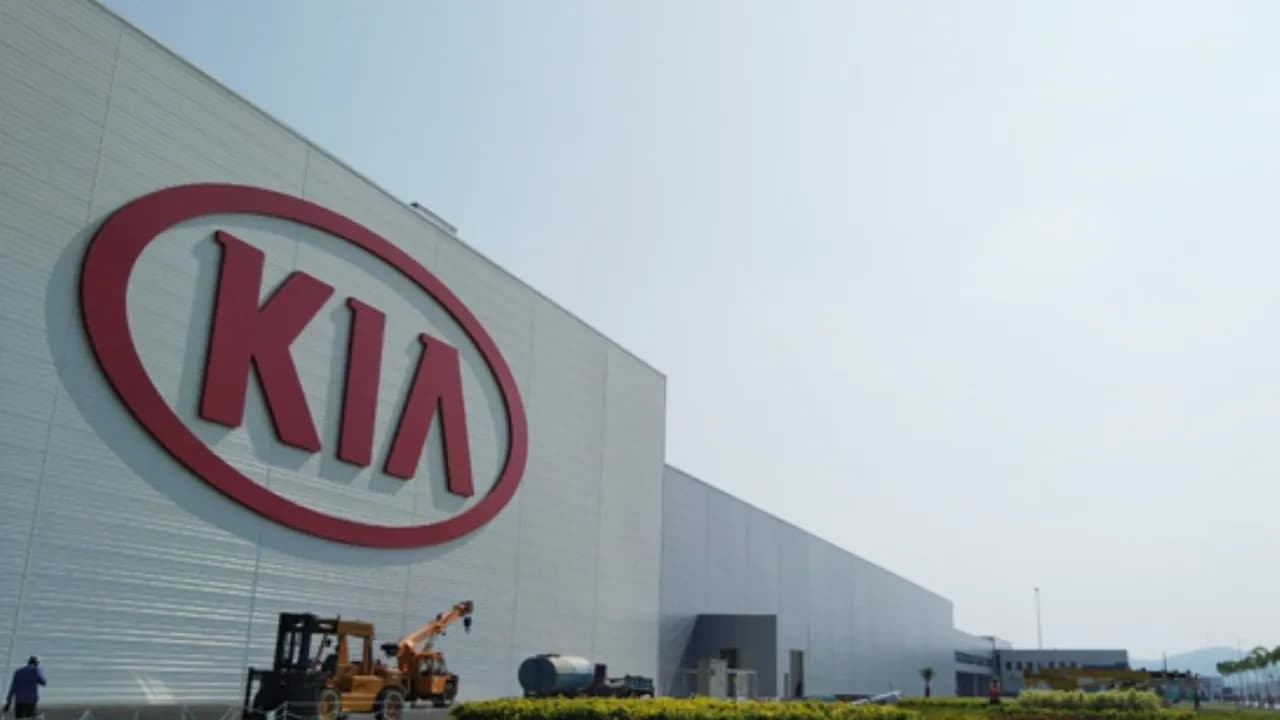

Kia India is planning to expand its manufacturing capacity in the country as it targets annual sales of 4.1 lakh vehicles by 2030, supported by rising domestic demand and exports.
Advertisement
The company is also planning a wider product range, with India expected to become an important part of its growth plans.
Kia Targets 4.1 Lakh Sales by 2030
Kia India is considering expanding capacity at its manufacturing facility in Anantapur, Andhra Pradesh. Atul Sood, Senior Vice President, Kia India, said the company is looking at ways to increase capacity to serve the domestic market and scale up exports, with a decision expected shortly.
Kia recorded 191,949 vehicle sales during January-July 2026, an increase of about 17% from the same period last year. Sood said the company expects to close the year with another strong double-digit increase in volumes.
Advertisement
Under its 2030 plan, Kia is targeting 410,000 annual sales and a 7.6% market share in India. The company also plans to expand its India portfolio to 10 models, including eight electrified vehicles, and increase its dealer network to 800 locations.
According to Andhra Pradesh Economic Development Board in Nov 2025. Currently, Kia directly employs over 3,000 people at the plant and has created more than 11,000 direct and 7,000 indirect jobs, with nearly 75% of the workforce drawn from Andhra Pradesh, especially Anantapur district
Expansion Could Increase Demand for Auto Talent
The capacity expansion could create additional demand for talent across manufacturing, production engineering, quality, maintenance, supply chain and logistics. However, Kia has not announced a specific number of new jobs linked to the proposed expansion, so any estimate of hiring would be premature.
Advertisement
The shift towards more electrified models could also increase the need for skills in electric and hybrid vehicle technology, battery systems, software, automation and advanced manufacturing. These requirements could extend beyond Kia to suppliers and other companies supporting its manufacturing operations.
For HR teams, the development points to a possible increase in demand for skilled manufacturing professionals, engineers and technical talent. It also underlines the need for companies in the automotive supply chain to prepare talent for changing vehicle technologies.
Kia has not yet disclosed the investment amount, final capacity or timeline for the proposed expansion. These details will determine the eventual impact on production and employment in its India operations.
About the Author
Sheetal Singh
Sheetal Singh, Senior News Journalist, SightsIn Plus
View all articles by Sheetal Singh →