
New IBM CHRO Study: AI Puts Critical Thinking at the Center of Workforce Priorities
Advertisement
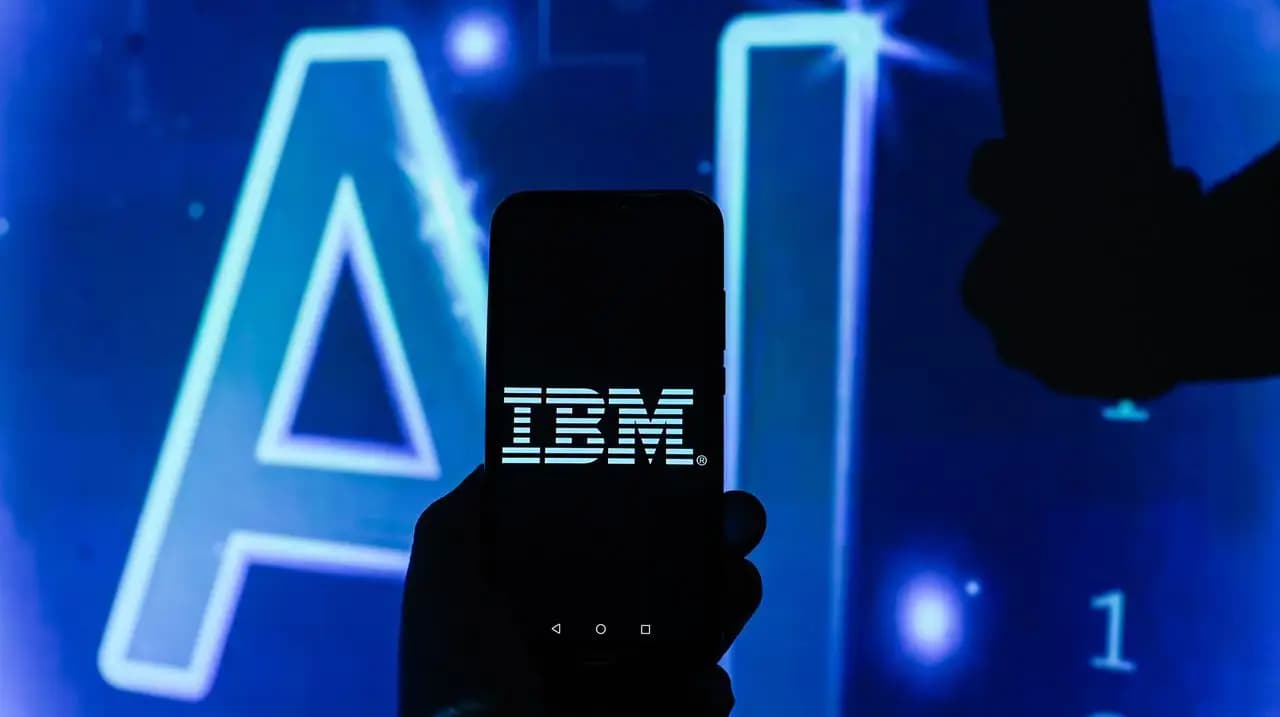

Artificial intelligence is changing how work gets done, but a new IBM study shows that employees are increasingly concerned about the impact of AI on their skills, particularly critical thinking.
Advertisement
The global study by the IBM Institute for Business Value, conducted with Oxford Economics, surveyed 1,500 CHROs and senior workforce leaders across 21 geographies and 23 industries, along with 8,800 full-time employees across 28 countries.
It found that 60% of employees worry AI is eroding their skills, with critical thinking cited most often as a declining skill.
Critical Thinking Becomes a Key Workforce Skill
The study found that 57% of CHROs and 49% of employees consider critical thinking and problem framing among the skills that matter most in the AI era.
Advertisement
CHROs also place strong importance on human judgement. While 71% of CHROs say the ability to supervise, validate and override AI outputs is an essential workforce skill, only 29% of employees rank judgement as important.
The study also found that among employees concerned about skills erosion, three out of four believe AI has already started to erode at least some of their skills.
Where judgement is built into work processes, 62% of CHROs report growing employee confidence in AI-enabled decisions. Where it is not, 57% report declining confidence.
HR Role in AI Decisions
IBM’s study also highlights the growing role of HR in decisions about how people and AI work together. However, 46% of organisations do not involve the CHRO when defining their AI strategy.
Advertisement
The findings show an accountability gap as well. 43% of employees say they are blamed when something goes wrong with AI, while 41% of CHROs believe employees may not feel safe challenging or overriding AI outputs.
Where the CHRO shares responsibility for deciding which work remains human-led, 76% of employees say they feel safe questioning or overriding AI recommendations. This compares with 43% where HR has only an advisory role.
AI Is Creating New Work for Employees
“AI is changing not only how work gets done, but where people can contribute the greatest value,” said Nickle LaMoreaux, Senior Vice President and Chief Human Resources Officer, IBM.
“As AI takes on more routine and process-driven tasks, uniquely human capabilities become even more important. CHROs have a critical role to play in redesigning the workplace of the future so people can focus on the areas where they can have the greatest impact.” she added, commenting on new IBM study.
AI adoption is also creating additional work that may not always be visible. About 80% of CHROs say AI creates “invisible” work, including validating AI recommendations, correcting mistakes, providing context and managing exceptions.
At the same time, 42% of employees say AI has increased their workload or that their additional work is not recognised.
The study also points to a gap in HR’s own use of AI. About 72% of organisations make limited or no use of AI within the HR function. CHROs rate their HR teams particularly low on AI literacy, AI performance measurement and change management for AI adoption.
IBM says organisations with mature HR AI capabilities, including governance, architecture and measurement, are nearly twice as likely to report a higher number of positive business KPIs.
The findings suggest that the AI workplace is not only about learning new technology. For HR leaders, the focus is also shifting towards critical thinking, human judgement, accountability and deciding where people should remain in control of AI-enabled work.
About the Author
Sheetal Singh
Sheetal Singh, Senior News Journalist, SightsIn Plus
View all articles by Sheetal Singh →