
Narendra Singh Chandel on How Biz2X Connects Career Growth With Business Needs
Advertisement
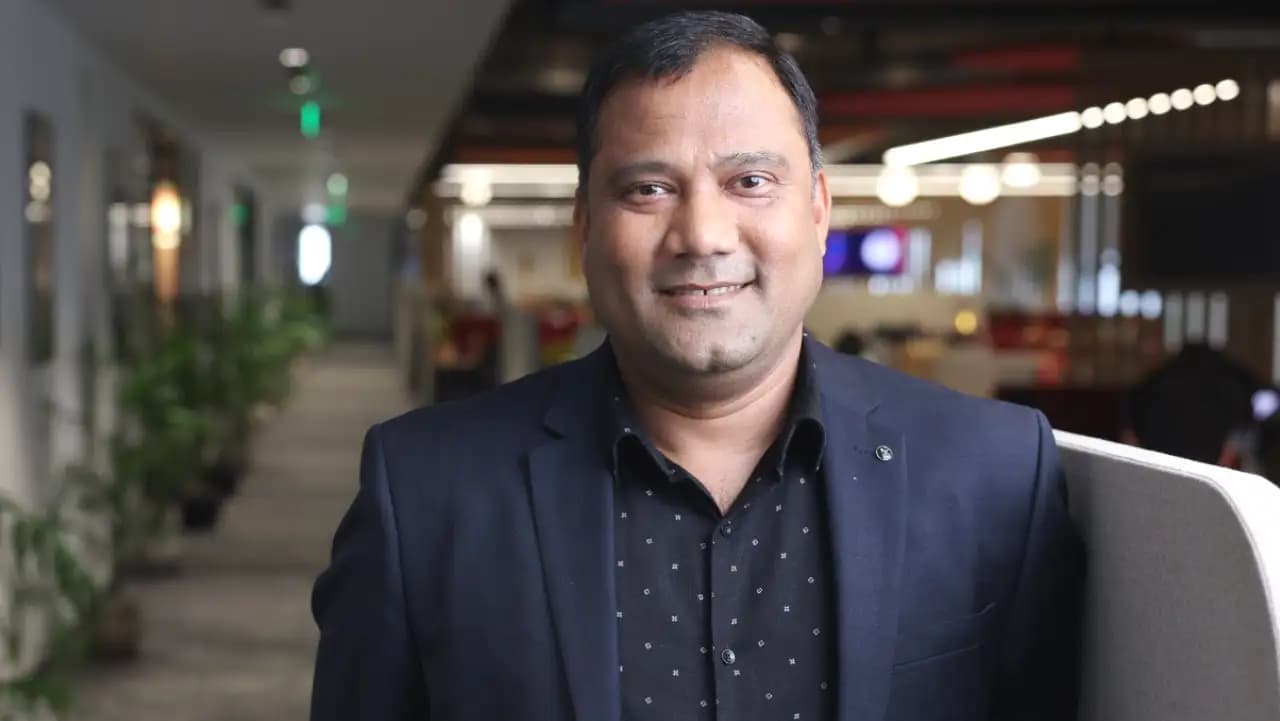

Narendra Singh Chandel, VP & Head – HR at Biz2X, has over two decades of experience in HR, leadership hiring, workforce planning and organisational development. He began his career as a Commissioned Officer in the Indian Army, shaping his belief in clear, fair and people-focused leadership.
Advertisement
After an MBA in HR from XLRI Jamshedpur, he joined TCS in 2008 and later took up HR and compliance roles in South America. He went on to hold senior HR positions at Newgen Software and Ingenuity Gaming, where he helped double the workforce and strengthen talent and engagement initiatives.
At Biz2X, Narendra focuses on scaling teams across India, the US and MENA while maintaining culture through strong HR processes, AI-enabled hiring and data-driven workforce planning.
Q1. How does Biz2X align career development with its business and future talent needs?
Every career conversation at Biz2X starts with a business question: where are we headed, and what will it take to get there? I spend a lot of time with our Managing Director understanding the technology areas we are investing in and what our customers will need next.
Advertisement
Only then do we turn to our people, using our Training Needs Identification process to see which skills we already have and which we need to build. Career development that isn’t tied to where the business is going is just a training calendar.
Q2. How are you building employee ownership of career growth while creating meaningful opportunities internally?
Ownership can’t be ordered. You can tell people a hundred times to “own their growth“, but if they can’t see where that growth leads, very little changes. So, once we had a clearer picture of our future leadership needs, we put real options on the table: certifications and live project opportunities that let employees start preparing for those roles.
Our job is to provide the exposure, the support and the room to move internally. What people do with those opportunities is where ownership truly begins.
Q3. What role do succession planning, internal mobility and leadership development play in your talent strategy?
Advertisement
For me, these aren’t three separate programmes; they’re one conversation. We began by mapping the capabilities the business would need in the coming years and asking an honest question: can we build these from within? Where we could, we aligned our learning plans with the future technology stack and customer demand. Where the gap was simply too wide, we hired externally for roles such as cloud architects, data scientists and UX designers.
I won’t pretend every decision was easy. Some employees, especially those with strong potential and a genuine willingness to learn, were reskilled into new roles. But where a role had no real future path, we owed people honesty and dignity.
We managed those transitions responsibly, with outplacement support and career coaching. The whole point is to plan ahead rather than wait until a capability gap turns into an urgent hiring problem.
Q4. How do you use skills and performance data to identify potential and shape development paths?
Performance and skills tell you two different stories, so we always read them together. Performance shows how someone is doing in the role they have today. Skills and capability data hint at what they may be ready for tomorrow. Put the two side by side and you get a far truer picture of potential.
From there, development has to be practical: the right learning, exposure to different teams, and assignments that stretch people beyond their current role. Employees should drive their own careers, but it’s the organisation’s responsibility to make the path visible and the opportunities real.
Q5. How is Biz2X preparing employees for emerging skills and evolving roles?
We don’t train for the sake of training. The first step is being clear about what we will actually need. Our Training Needs Identification process pinpoints the gaps, and we build learning around them, so every programme connects to a real business need.
We are also using AI in recruitment and capability assessments. This helps us spot skill gaps earlier and make sharper decisions about where to hire, where to reskill and where people can move internally. When roles are still evolving, that early visibility makes preparation far more practical.
Q6. Any final comments?
Career growth and business growth have to march together. When people know where the company is headed, they can see which skills, experiences and opportunities will matter next.
The business gains stronger capability, and employees get a genuine chance to build careers that keep growing with it. Getting that balance right is the work we are committed to at Biz2X.
Thanks, Narendra!