
Tata Sons Chairman N Chandrasekaran’s third term faces dispute
Advertisement


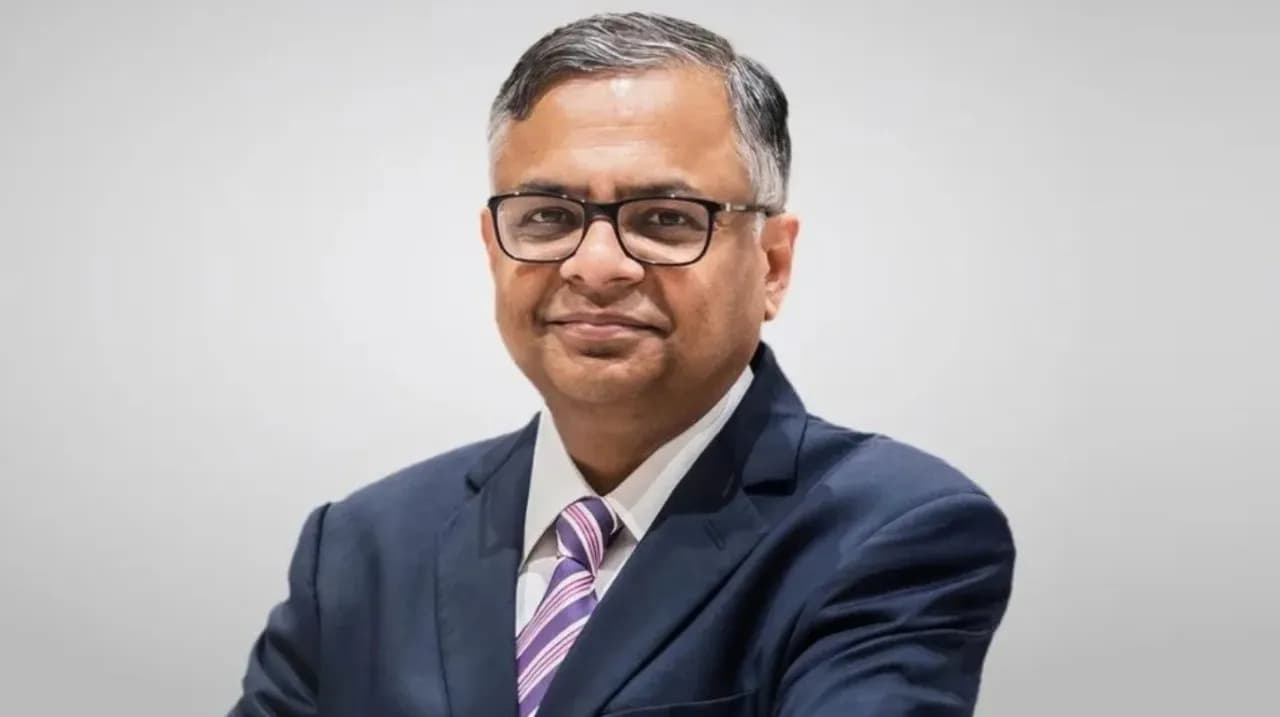

The Tata Sons board has approved N Chandrasekaran’s reappointment as chairman for a third five-year term, but Tata Trusts has challenged the decision, citing differences over the company’s Articles of Association (AoA) and board voting procedures.
Advertisement
At the September 17 board meeting, Noel Tata, one of the two Tata Trusts nominee directors, voted against the proposal, while Venu Srinivasan supported it.
Chandrasekaran recused himself from the discussion, and independent director Harish Manwani chaired the meeting.
Manwani used his casting vote, resulting in a reported 4:1 decision in favour of the reappointment.
Tata Trusts has questioned whether the casting vote could be used to resolve the disagreement between its nominee directors.
Advertisement
The Trusts has relied on a legal opinion from former Chief Justice of India D Y Chandrachud, which reportedly supports the requirement for nominee director approval.
Different Interpretations of Company Rules
The disagreement centres on Articles 104B, 118 and 121 of Tata Sons’ AoA. These provisions relate to nominee directors’ voting rights, the appointment of a chairman and the use of a casting vote.
Tata Sons obtained legal advice from senior advocate Sudipto Sarkar before the board meeting. According to reports, his interpretation supports the use of Article 121 to resolve an equality of votes.
Advertisement
Former Supreme Court judge B N Srikrishna subsequently provided an opinion supporting Tata Sons’ interpretation of the voting procedure.
The different legal opinions reflect a disagreement over how the company’s constitutional documents should apply to the reappointment of an existing chairman.
HR and Corporate Governance Relevance
The dispute raises important business governance questions for organisations with complex ownership structures.
- Leadership succession: Procedures for extending the tenure of an existing chairman.
- Board decision-making: The interpretation of voting rights and casting votes.
- Shareholder relationships: The role of Tata Trusts in Tata Sons’ governance.
- Governance clarity: The importance of clearly defined rules for leadership appointments.
The validity of Chandrasekaran’s third-term reappointment remains contested. The final outcome will depend on how the dispute is addressed through the relevant corporate and legal processes.
About the Author
Sheetal Singh
Sheetal Singh, Senior News Journalist, SightsIn Plus
View all articles by Sheetal Singh →